

Your Guide to Setting Up Accounting Software
Ethan Willse

A clear view of your accounts starts with a workflow that fits your business. Bring invoices, expenses and financial reports together, then review the details that matter to your team. Compare the available tools, try the everyday tasks yourself and choose a setup you can maintain as your business grows. A clear view of your accounts starts with a workflow that fits your business.
A clear view of your accounts starts with a workflow that fits your business. Bring invoices, expenses and financial reports together, then review the details that matter to your team. Compare the available tools, try the everyday tasks yourself and choose a setup you can maintain as your business grows. A clear view of your accounts starts with a workflow that fits your business. Bring invoices, expenses and financial reports together, then review the details that matter to your team.
A clear view of your accounts starts with a workflow that fits your business. Bring invoices, expenses and financial reports together, then review the details that matter to your team. Compare the available tools, try the everyday tasks yourself and choose a setup you can maintain as your business grows. A clear view of your accounts starts with a workflow that fits your business.
 Our top picks for September 2026
 9.9
9.9


 Streamline onboarding


Must-Have Accounting Software Features
Look for tools that make routine work easier to complete and easier to check. Create a sample invoice, record an expense and explore the reports you use most often. Ask your team to try the same tasks. A practical workflow, clear navigation and useful integrations can matter as much as the number of features available.
Unlimited access
With most of the top accounting software companies providing cloud accounting services, you can get instant access to your most important financial data and statistics, wherever you are, whenever you want.
Expense tracking
The best accounting applications include sophisticated expense tracking features. For example, QuickBooks allows you to take a picture of your expense receipts and save them directly on the application. This removes the need for manual data entries.
Invoicing
A clear view of your accounts starts with a workflow that fits your business. Bring invoices, expenses and financial reports together, then review the details that matter to your team. Compare the available tools, try the everyday tasks yourself and choose a setup you can maintain as your business grows.
Reporting
A clear view of your accounts starts with a workflow that fits your business. Bring invoices, expenses and financial reports together, then review the details that matter to your team. Compare the available tools, try the everyday tasks yourself and choose a setup you can maintain as your business grows. A clear view of your accounts starts with a workflow that fits your business.
Notify your clients of overdue invoices
Look for tools that make routine work easier to complete and easier to check. Create a sample invoice, record an expense and explore the reports you use most often. Ask your team to try the same tasks. A practical workflow, clear navigation and useful integrations can matter as much as the number of features available.

Steps to Setting Up Accounting Software
A clear view of your accounts starts with a workflow that fits your business. Bring invoices, expenses and financial reports together, then review the details that matter to your team. Compare the available tools, try the everyday tasks yourself and choose a setup you can maintain as your business grows.
Collect all payroll information beforehand
A clear view of your accounts starts with a workflow that fits your business. Bring invoices, expenses and financial reports together, then review the details that matter to your team. Compare the available tools, try the everyday tasks yourself and choose a setup you can maintain as your business grows.
Be aware of applicable sales tax regulations
All your sales tax will be tracked within the accounting application you choose. So make sure you are up to speed with the current regulations of your city, country or state.
Clients and vendors
A clear view of your accounts starts with a workflow that fits your business. Bring invoices, expenses and financial reports together, then review the details that matter to your team. Compare the available tools, try the everyday tasks yourself and choose a setup you can maintain as your business grows.
Be ready to face obstacles
A clear view of your accounts starts with a workflow that fits your business. Bring invoices, expenses and financial reports together, then review the details that matter to your team. Compare the available tools, try the everyday tasks yourself and choose a setup you can maintain as your business grows. A clear view of your accounts starts with a workflow that fits your business.
Define levels of access control
Accounting software allows you to restrict the levels of access for different users and set corresponding permissions. Make sure you figure out all the access settings prior to installation.
8 Post-Installation Steps to Follow
After setting up your accounting software, there are also a few important steps that you need to perform.
1. Continue manual bookkeeping
A clear view of your accounts starts with a workflow that fits your business. Bring invoices, expenses and financial reports together, then review the details that matter to your team. Compare the available tools, try the everyday tasks yourself and choose a setup you can maintain as your business grows. A clear view of your accounts starts with a workflow that fits your business. Bring invoices, expenses and financial reports together, then review the details that matter to your team.
2. Take baby steps
A clear view of your accounts starts with a workflow that fits your business. Bring invoices, expenses and financial reports together, then review the details that matter to your team. Compare the available tools, try the everyday tasks yourself and choose a setup you can maintain as your business grows.
3. Become familiar with invoicing
A clear view of your accounts starts with a workflow that fits your business. Bring invoices, expenses and financial reports together, then review the details that matter to your team. Compare the available tools, try the everyday tasks yourself and choose a setup you can maintain as your business grows.
4. Learn expense management
Log a few sample expenses for sample vendors. If your tool provides intuitive ways to add expenses to the system (e.g. via photographs), make sure you try that too.
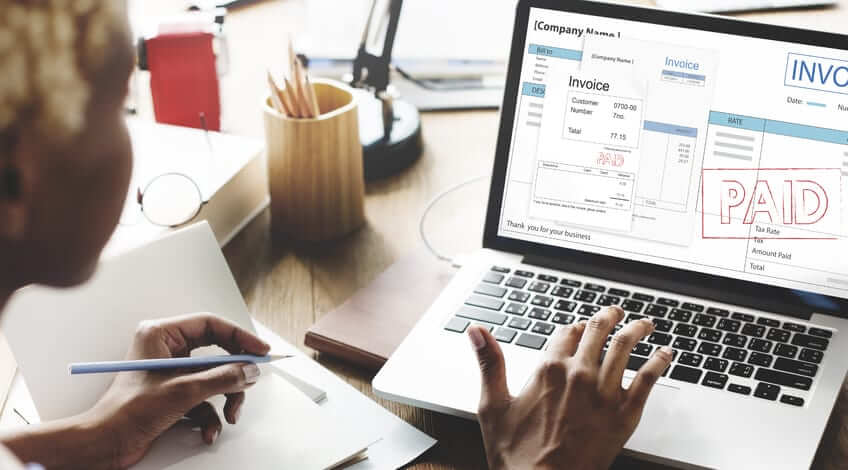
5. Create monthly financial statements
Create monthly balance sheets and profit and loss statements. Most accounting software automates this process for you so make sure you take advantage of this feature to the greatest possible extent.
6. Set all your company preferences
This can include associating late fees with overdue receipts, creating recurring invoices, sending late payment reminders, and adding interest rates.
7. Keep tabs on your cash flows at all times
A clear view of your accounts starts with a workflow that fits your business. Bring invoices, expenses and financial reports together, then review the details that matter to your team.
8. Help & Support
Make use of the help and support center whenever you feel the need. Most service providers have dedicated support for paid customers along with detailed FAQ sections and video tutorials.
Conclusion
A clear view of your accounts starts with a workflow that fits your business. Bring invoices, expenses and financial reports together, then review the details that matter to your team. Compare the available tools, try the everyday tasks yourself and choose a setup you can maintain as your business grows. A clear view of your accounts starts with a workflow that fits your business. Bring invoices, expenses and financial reports together, then review the details that matter to your team.
Our top picks for September 2026
Liked this article?
Ethan Willse
Smart Recommendations